
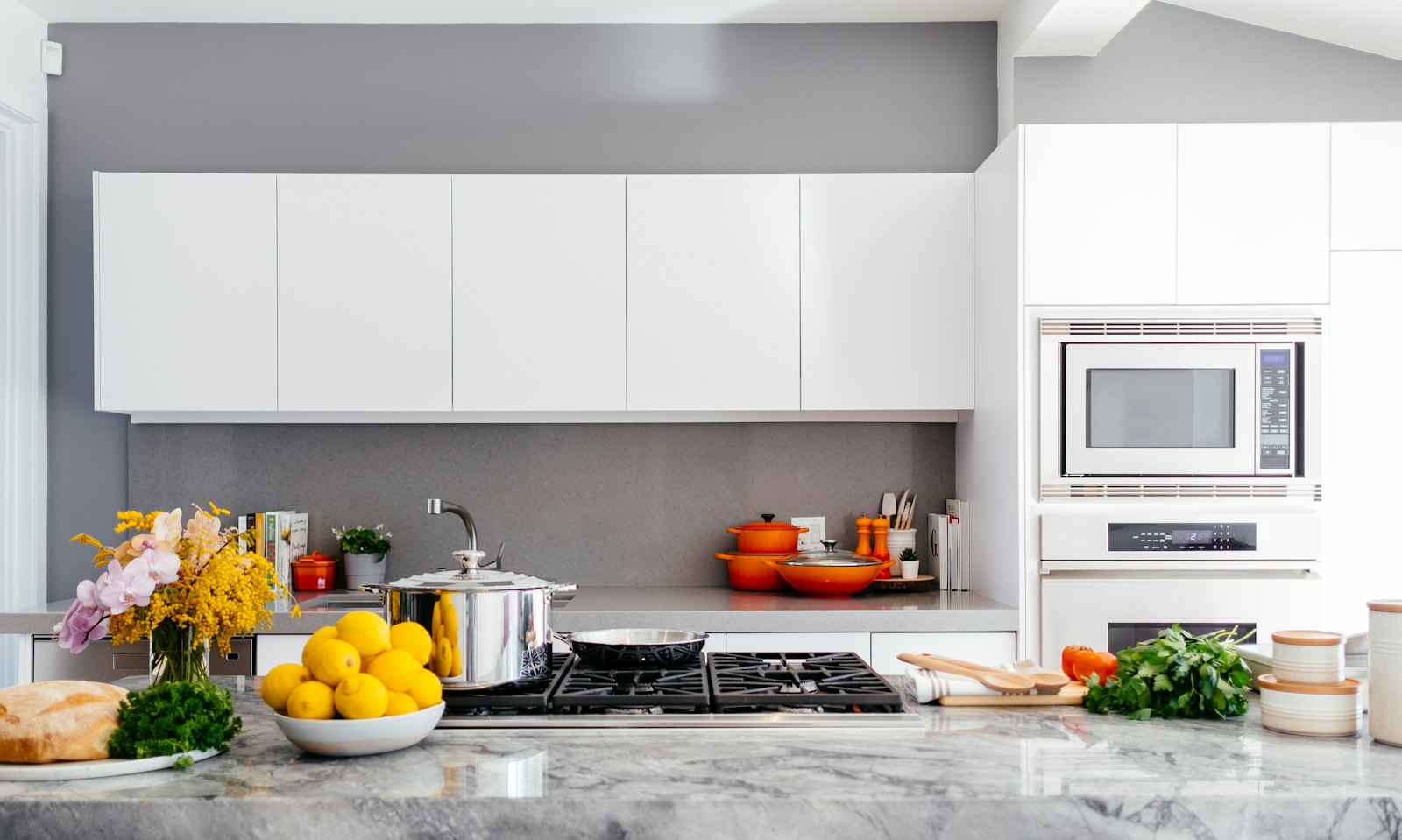
Kitchen remodel budgets in Miami usually fail for one reason: selections happen before scope is truly locked. The most reliable projects are planned in sequence, from layout and utilities to cabinetry and final finishes.
Primary Cost Drivers
- Cabinet package tier and level of customization.
- Countertop material, slab thickness, and edge details.
- Utility relocations: plumbing, gas, electrical, and venting.
- Appliance class, panel-ready integration, and lead times.
- Permits, inspections, and project sequencing constraints.
Recommended Budget Allocation
| Category | Typical Share |
|---|---|
| Cabinetry and Hardware | 25% to 35% |
| Counters and Backsplash | 10% to 20% |
| Labor and Core Construction | 25% to 35% |
| Appliances and Fixtures | 10% to 20% |
| Soft Costs and Contingency | 10% to 20% |
Scope Sequence That Saves Money
- Lock layout and daily workflow first.
- Define utility changes and inspection requirements.
- Approve cabinetry and countertop package.
- Select appliances and fixtures around real dimensions.
- Finalize finish details and hardware at the end.
Typical Budget Risks
- Late scope changes after cabinets are ordered.
- Backordered appliances that force plan adjustments.
- Under-scoped demo and wall correction work.
- Missing allowance rules for material substitutions.
What Good Bids Include
- Line-item scope with measurable standards.
- Clear inclusion and exclusion language.
- Milestone-based payment schedule.
- Realistic duration with dependency notes.
- Closeout list with warranty and permit signoff steps.
Resale and Performance Perspective
In South Florida, kitchen value is not just visual. Storage planning, workflow efficiency, durable finishes, and code-ready utility execution are what keep the space performing and marketable long after trend cycles pass.