
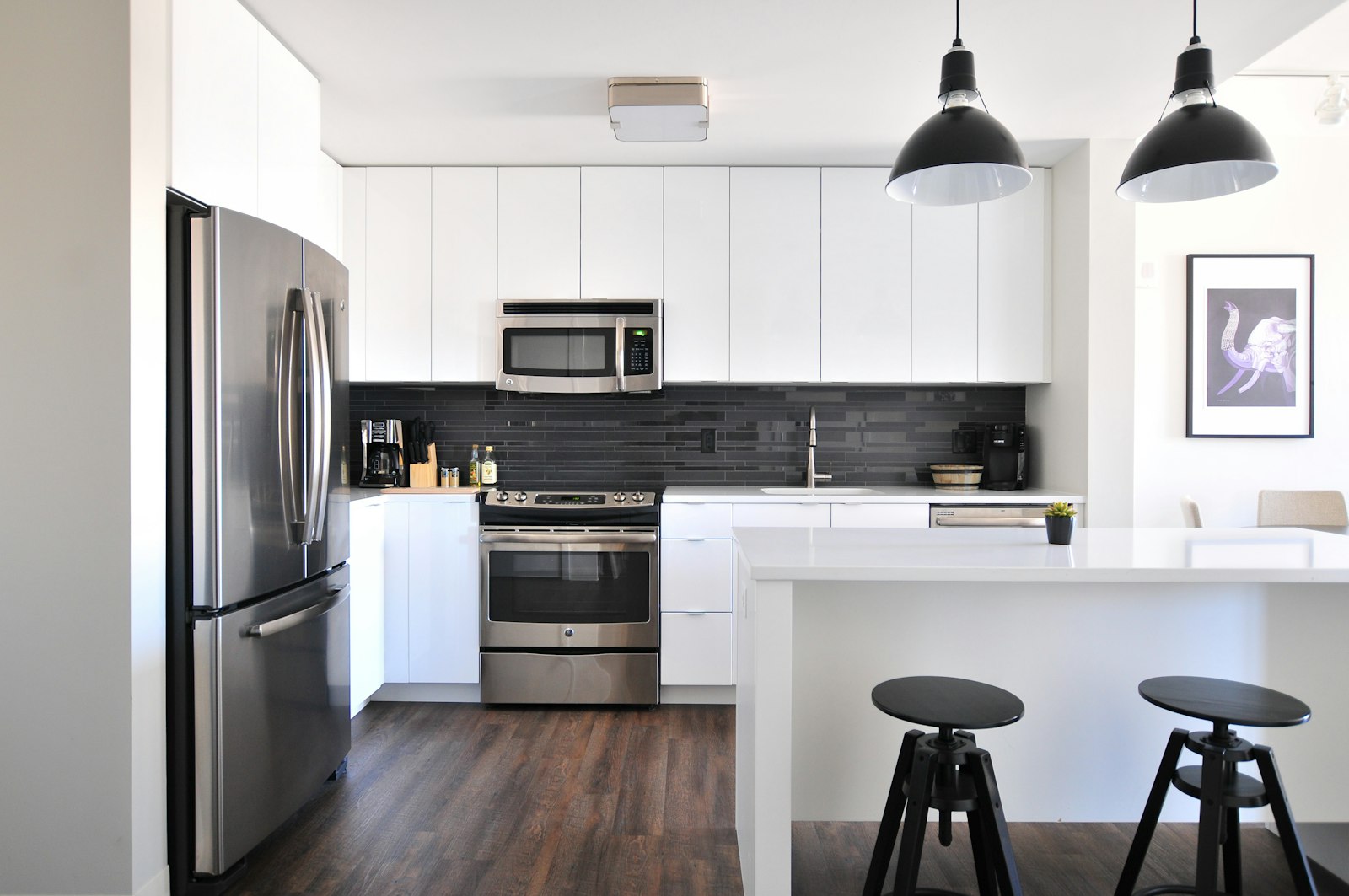
Miami homeowners are moving away from short-lived visual trends and toward design choices that combine style, durability, and practical living. The best upgrades are the ones that still feel current five to ten years later.
1. Warm Minimalism, Not Sterile Minimalism
Clean lines remain popular, but pure white and cold finishes are being replaced by layered neutrals, light woods, and subtle natural textures. The result feels calm without feeling empty.
Avoid: High-gloss surfaces everywhere and hard-contrast palettes that date quickly.
2. Large-Format Tile and Seamless Flooring Transitions
Large tiles and continuous flooring improve visual flow and make spaces look bigger. In humid climates, durable porcelain and engineered surfaces also offer easier maintenance.
Avoid: Mixed flooring breaks in every room unless function truly requires it.
3. Indoor-Outdoor Integration That Actually Functions
Sliding systems, shaded patio zones, and weather-resistant surfaces are no longer luxury extras. They are part of everyday South Florida living and improve usable square footage.
Avoid: Focusing only on the opening system without planning drainage, shade, and flooring compatibility.
4. Statement Kitchens with Practical Layout Logic
Kitchens continue to anchor resale value, but layout wins over cosmetics. The 2030-safe approach: strong workflow, durable surfaces, hidden storage, and layered lighting.
Avoid: Overspending on focal finishes while underinvesting in functionality and appliance planning.
5. Spa-Inspired Bathrooms with Better Utility
Walk-in showers, floating vanities, and integrated storage remain strong because they improve day-to-day use while keeping an upscale look.
Avoid: Overly custom elements that are difficult to maintain or replace later.
6. Energy-Conscious Design as Standard
Design and performance are now linked. Impact openings, better insulation strategies, and efficient lighting systems reduce operating cost while improving comfort.
Avoid: Treating efficiency as an afterthought after finishes are selected.
7. Flexible Rooms and Hidden Workspaces
Homeowners value spaces that can shift function: office, guest room, fitness area, or media lounge. Built-in flexibility protects long-term livability and resale.
Avoid: Highly single-purpose built-ins that limit future layout options.
Timeless vs Trendy: Quick Comparison
| Category | Timeless Choice | High-Risk Trend |
|---|---|---|
| Color Palette | Warm neutrals with controlled contrast | Extreme statement colors everywhere |
| Flooring | Durable continuous materials | Frequent material switching room to room |
| Kitchen Design | Layout and storage first | Visual statement without function |
| Technology | Quiet integration | Overexposed devices as decor |
How to Prioritize Budget for Long-Term Value
- Invest first in layout and envelope performance.
- Prioritize durable materials in high-use zones.
- Use accent trends in lower-cost, easy-to-update layers.
- Plan lighting and storage before final decorative choices.
Final Takeaway
Design that lasts in Miami is balanced design: climate-ready, maintenance-aware, and function-first. If a choice looks great but fails on durability or usability, it will not age well. The smartest projects make both beauty and practicality non-negotiable.